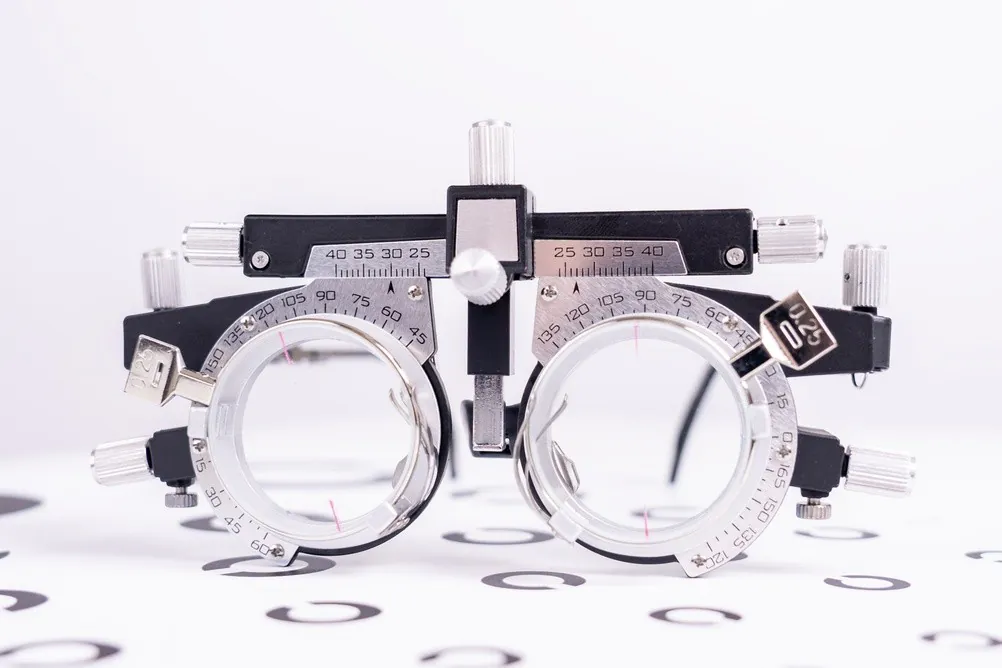
New analysis of UK eye tests data estimates that only around 5 per cent of the total population of children aged 5 years and under had an eye test in 2025, despite optometrists and opticians recommending that children should be taken for their first regular eye test by the time they start school, from age 3-4 years old.
While the data for the under 16s age group appears more encouraging, with between 39.7 per cent and 46.1 per cent of this population estimated to have had an eye test in 2025, the data for the younger age group, with 95 per cent of under 5s not having had an eye test in 2025, is a cause for concern. Undetected eye conditions in early childhood can mean missing the crucial window for early intervention, when treatment is most likely to achieve the best possible outcomes.
The Association of Dispensing Opticians (ABDO), The College of Optometrists, Boots Opticians, and Specsavers have come together to launch a public eye health campaign to increase parents’ awareness of the importance of taking children for an eye test before they start school. Eye health professionals recommend taking children for their first eye test with an optometrist at their local opticians’ practice at around three to four years old and going for regular eye tests throughout childhood, usually every 1-2 years. The campaign is also supported by Fight for Sight, FODO, the International Agency for the Prevention of Blindness (IAPB) and OSA (Optical Suppliers Association).
An additional survey of parents and legal guardians of children aged 0-11 commissioned for the campaign has outlined a worrying gap in their approach to children’s eye health in comparison to dental check ups, with widespread misconceptions about eye tests and eye health.
“The ideal age to take children for their first eye test is around 3 to 4 years old”
The findings show that one in three parents (29 per cent) have never taken their child to an optometrist at an optician’s practice for a full eye test. However, 90 per cent of parents with children under 12 have taken their child for a routine dental check-up. Additionally, 53 per cent of children who do not wear glasses have never had a professional eye test.
Alarmingly, 30 per cent of parents of children who don’t wear glasses say they have no plans to ever book an eye test. These worrying statistics show the lack of awareness amongst parents and guardians in the UK about the importance of childhood eye tests.
One of the most common misconceptions is that children need to be able to read to have an eye test, with 38 per cent of people polled still believing this to be the case. However, optometrists can assess children’s vision and eye health using age-appropriate techniques, meaning parents and guardians should not delay booking an eye test because their child cannot yet read.
Early detection is critical to treat eye conditions that may be present or develop in early childhood, but less than half of parents polled (48 per cent) are aware that amblyopia (commonly known as a lazy eye or childhood squint) can often be reversed if it is detected before the child turns 7 or 8. Around 3 per cent of children in the UK develop amblyopia.
Clinical Advisor at The College of Optometrists, Denise Voon, says, “The ideal age to take children for their first eye test is around 3 to 4 years old. NHS funded eye tests are free for all children under the age of 16, and it is a quick and easy routine health check that gives parents peace of mind that their child’s eyes and vision are healthy to support their development during their school years. It’s also important to remember to take children for regular check-ups throughout childhood, usually every 1-2 years, to detect and treat eye conditions that can develop in later childhood years, such as myopia (short-sightedness).”

- Winchester physio wins Educator of the Year - October 9, 2026
- Ray Charles – Hit the Road Jack - October 9, 2026
- Too few kids have eye tests - October 9, 2026