A pioneering study funded by the Royal Osteoporosis Society (ROS) has uncovered a compelling link between the body’s internal clock and the breakdown of bone tissue, a discovery that could transform how osteoporosis is diagnosed and prevented in the future.
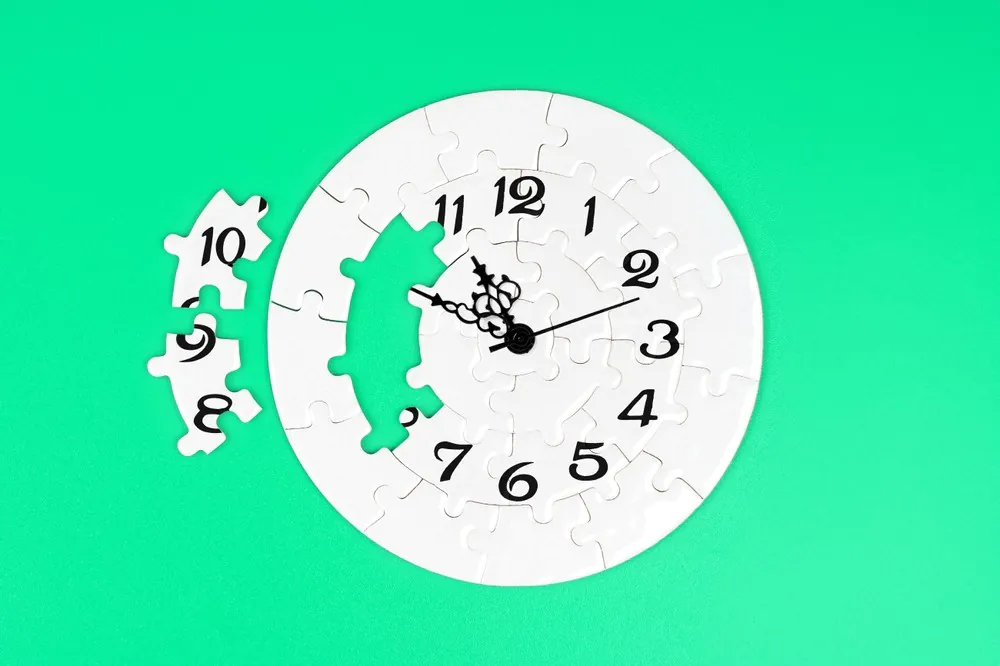
A team of researchers, led by Dr Andrea Darling at the University of Surrey, found that the cells responsible for breaking down bone, known as osteoclasts, are significantly more active at night. This means that people whose sleep patterns are disrupted, including shift workers, may potentially face a heightened risk of bone loss and broken bones.
“Bone tissue is constantly being broken down and rebuilt,” explains Dr Darling. “Our findings show that this breakdown process peaks at night when it’s dark. If someone’s circadian rhythm is heavily disrupted, this could alter the balance and potentially weaken bones over time.”
A hidden risk for millions like Jo
Half of women and one in five men over 50 years old will break a bone due to osteoporosis. Despite the condition being treatable, two-thirds of patients miss out on crucial care due to late diagnosis, and often after suffering multiple broken bones.
“If disrupted sleep and shift work are contributing factors, we need to know and we need to act fast.”
For former NHS midwife Jo, that delay had lifelong consequences. After years of undiagnosed spinal fractures, she now lives with chronic pain, reduced height and ongoing fear of falls. Importantly, Jo worked night shifts for much of her career, something Dr Darling’s study suggests could be a possible contributor.
“My scans found several fractures I never knew I’d had,” she says. “It’s frightening to think it could have been spotted earlier.”
The ROS says research like Dr Darling’s marks an essential step towards spotting people at risk much sooner, enabling earlier treatment and preventing often life‑changing broken bones.
“This study opens a completely new avenue in understanding osteoporosis risk,” says Dr. Caroline Sangan, Research and Evidence Lead at the Royal Osteoporosis Society. “If disrupted sleep and shift work are contributing factors, we need to know and we need to act fast. Research is the key to preventing more stories like Jo’s.”
You can help to stop more broken bones
The charity is now calling on the public to help accelerate this vital research that could potentially change thousands of lives. Donations will fund further studies into the biological triggers of osteoporosis, helping doctors identify vulnerable people sooner and protect them from painful fractures.
Osteoporosis is common, treatable, and often preventable, but only if people know their risk. The ROS invite you to complete their Great British Bone Check – a free, 3‑minute online risk checker designed to help people understand whether they might be vulnerable to osteoporosis.
Backed by Her Majesty The Queen, President of the charity, since its launch more than half a million people across the UK have completed it.
Even more encouraging: 84% of them have already taken action as a result of their score. That’s estimated to lead up to 71,000 people receiving an early diagnosis, giving them the chance to take steps to protect their bones before fractures start happening.

- Oranges And Lemons (1956) - September 18, 2026
- Chronic stress may trigger heart damage - September 18, 2026
- New nurses wear their Winchester badges with pride - September 18, 2026