Running the London Marathon is an extraordinary achievement.
Whether you’re a seasoned runner or tackling 26.2 miles for the first time, the difference between a great race and a miserable one often comes down to preparation.
Here are our top tips to help you arrive at that finish line feeling as good as possible.
Wear appropriate clothing
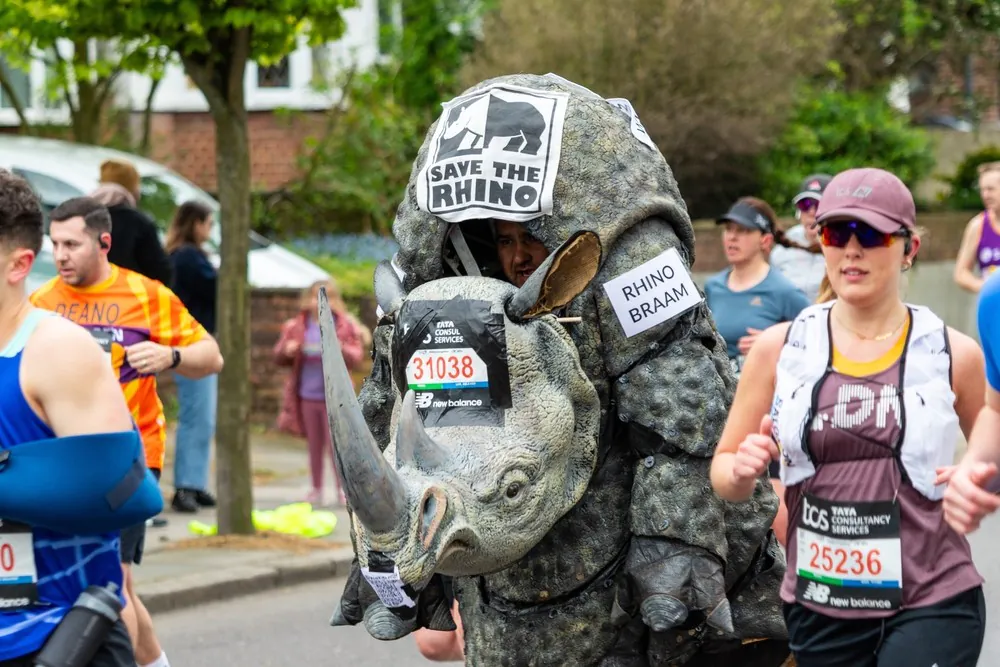
Dress for the weather conditions and to be most comfortable whilst running. Ensure that someone has warm clothes for you when you finish the race. Don’t be tempted to get new trainers for the race. Wear them in and ensure they and the socks you choose are comfortable and fit really well. If there is rain (or snow) forecast, ensure your shoes have sufficient grip. Avoid wearing clothes with seams that could rub and cause friction burns. Choose clothes you have run in previously and know are comfortable for the duration of the run. Think very carefully if you are planning to wear fancy dress and ensure you don’t overstress yourself. If you are prone to chafing apply petroleum jelly or anti chafing talc and it may be helpful to cover your nipples with plasters.
The night before
Pasta is a good slow burning carbohydrate to keep you going the next day. On the morning of the Marathon choose another slow burning food that you have eaten before. Good examples are foods such as porridge, bagels, toast and peanut butter. Never try anything new prior to the actual Marathon, stick to what is tried and tested.
Warm up
Take time to warm up and stretch thoroughly before the race and don’t forget to cool down too, with further stretches when you have finished. You are likely to get cold quickly after the race, so accept the foil blanket and retain your body heat.
Drink water
Staying hydrated is essential, but it’s just as important not to over-drink. Sipping little and often throughout the race is the right approach. For runs over an hour, isotonic sports drinks are a better choice than plain water as they help maintain your salt balance. Be aware that drinking too much water too quickly can cause hyponatraemia — a dangerous drop in sodium levels whose early symptoms can feel similar to dehydration (headache, nausea, confusion), but which can become serious very quickly. If you feel unwell during the race, stop and seek help from the medical teams stationed along the route rather than pushing through.
Heat exhaustion
If you begin to feel sick, get a headache or cramps, feel dizzy and your skin becomes cold and clammy; you may be suffering heat exhaustion.
Heat exhaustion is serious so it is important that you get help as soon as possible. If you are training lie down in a shady spot with your legs raised, take regular sips of a sports drink and ideally call someone to come and be with you and get medical advice.
If you are running the Marathon and develop the symptoms of heat exhaustion, listen to your body and rest for a while. Get checked out by the medical support and only resume with their say so.
Heat Stroke
Heat stroke is especially likely at endurance events like the London Marathon, even on days that aren’t particularly hot.
If you feel hot, confused, agitated or disorientated try to cool yourself down. Move to a cool, shaded area or air-conditioned space straight away and remove any excess clothing. The gold standard treatment is cold water immersion submerging the body (neck down) in water between 1–26°C until your temperature drops below 39°C. If that isn’t possible, a cold shower, cold wet towels, wrapped ice packs or multiple fans are all good alternatives.
Call 999 immediately, but don’t let waiting for the ambulance delay your cooling efforts — continue cooling them throughout, including during transport to hospital
Drink sufficient amounts of fluid to remain hydrated
Drink small amounts regularly and avoid drinking a lot of water too quickly. Sports drinks are thought to be better than pure water for runs longer than an hour as they help you to maintain your salt balance. Do not drink too much and avoid drinking for 45 minutes prior to the race.
Cramp is a common problem caused by the build-up of lactic acid in the muscles. This can be avoided by maintaining sufficient levels of salts and fluids and remaining well hydrated. Drink sports drinks during the race and long training and include salt in your normal diet a few days prior to the race.
Blisters
If you get a blister and the skin is still intact, do not be tempted to pop it. Cover with a proper blister plaster and ensure there are no wrinkles in socks that are contributing to the rubbing.
If the blister is broken or likely to break; cover with a clean, dry, non-adhesive dressing that extends well beyond the edges of the blister. Alternatively apply a blister plaster.
To avoid blisters, ensure you are wearing shoes that are worn in and comfortable.
Knee joint injuries
If you injure your knee; lie down carefully supporting your knee in a relaxed raised position. Do not try to walk on your injured leg or straighten your knee.
Don’t eat or drink anything in case you need an anaesthetic, get medical attention.
Sprained ankle
Don’t be tempted to try and continue to weight-bear on the injury. Listen to your body and seek help from the first-aiders there. Rest, apply a wrapped ice pack and assess the injury properly.
Nipple bleeding and friction burns
You can prevent friction burn to nipples by covering them with plasters or petroleum jelly
If your nipples bleed when training; wash and dry them carefully and then cover with a breathable plaster
Sometimes, nipple bleeding may be due to more serious problems. If in doubt, consult your doctor.
Enjoy running your Marathon, stay fit and well and thank you to everyone for putting this huge amount of effort in to raise money for such valuable causes.
First Aid for Life provides this information for guidance and it is not in any way a substitute for medical advice. First Aid for Life is not responsible or liable for any diagnosis made, or actions taken based on this information. It is strongly advised that you attend a First Aid course to understand what to do in a medical emergency.
Email: [email protected] for more information.
Online First Aid – The convenient way to learn vital skills straight from experts

Emma is also the founder of First Aid for Pets offering first aid training courses for your pets https://firstaidforpets.net/
- What bit me? The ultimate guide - June 19, 2026
- How to survive the London marathon - April 24, 2026
- Meningitis & Sepsis – Spotting Early Warning Signs - March 20, 2026