How low testosterone almost broke me, and what I learned as a GP
As a qualified GP, with over a decade of experience in the NHS, I believed I had a reasonably solid grasp of men’s health and hormones in general. I had diagnosed countless patients with menopausal symptoms, thyroid disorders and occasional rarer endocrine conditions. But I never expected to experience hormonal problems myself, nor to realise how little I truly understood about testosterone deficiency.
My journey began at 29. My wife was pregnant with our first child after a long, difficult period of an ectopic pregnancy and several unexplained miscarriages. One quiet Sunday morning, lying in bed, I found a lump. I knew instantly it felt sinister. By the next day I was in with my GP, and within two weeks, after an urgent referral and investigations, I was diagnosed with testicular cancer.
The affected testicle was removed, and thankfully, no further treatment was needed. Looking back, perhaps mild fatigue and low-grade anxiety started to creep in not long after this operation, but nothing that couldn’t be explained away by new parenthood, disrupted sleep, or the stress of life as a busy GP.
Around eighteen months later, I was struck by viral meningitis. Recovery left me drained, mentally foggy, and far from the person I once was. Together, these health shocks seemed to take a cumulative toll. Over the following three years, I endured persistent fatigue, brain fog, anxiety, intrusive and nonsensical thoughts, and a growing inability to cope with everyday stress. I began to feel like a diminished version of myself, present in body but not in mind.
Despite being a doctor, I couldn’t work out what was happening to me. I saw multiple GPs, my oncologist, and even a psychiatrist. I tried meditation, therapy, lifestyle changes, and eventually antidepressants. Nothing seemed to touch the core problem.
I was diagnosed with various conditions: post viral fatigue, “burn out”, anxiety and depression.
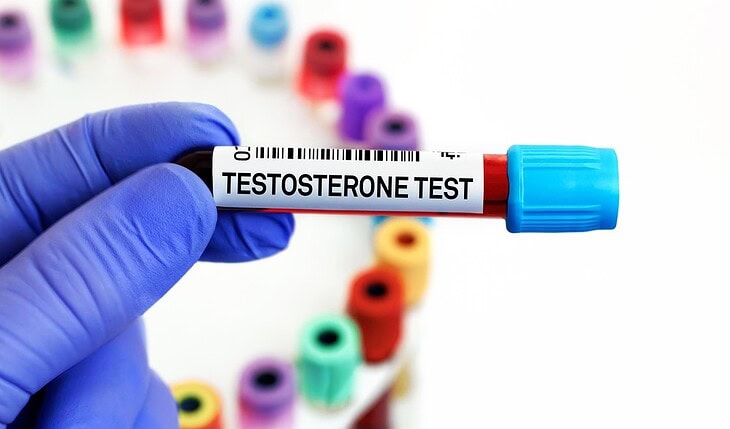
It wasn’t until three years into this decline that someone checked my testosterone, primarily because of my cancer history, not because anyone suspected a hormonal cause for all of my symptoms. The result was stark: my testosterone was very low. Facing a long NHS wait, I saw a private endocrinologist and began testosterone replacement therapy (TRT).
Within weeks, things began to shift. I fondly recall going for a run about 10 days into treatment. At this point in my life, I was accustomed to my legs feeling heavy, my energy being unreliable and my capabilities quickly waning. But that day, around 1 km in, I felt something I hadn’t felt in years: momentum. It wasn’t a full recovery, but it was the first hint of light after a very dark stretch.
Over the next three months, the improvements were undeniable. My energy returned. My mind cleared. The intrusive thoughts settled. And for the first time in years, I started to feel like myself again.
Alongside this profound relief came frustration. How had I, a doctor, not connected these symptoms to testosterone? Why had no one else? Over time, it has become clear to me that low testosterone is a vastly under-recognised condition, leaving countless men suffering in silence or mislabelled with other diagnoses.
My recovery sparked an obsession to understand hormones more deeply. I eventually left general practice for the private sector, where I could give patients the time, testing, and individualised care I didn’t feel able to provide as an NHS GP. Helping men uncover the root of their symptoms, and seeing the transformation when the treatment is correct, has become the most meaningful work of my life.
Although my symptoms were more severe than what many men with low testosterone typically experience, this in itself highlighted just how foundational this hormone is to a man’s overall wellbeing. Testosterone influences far more than strength or libido, it underpins energy, cognition, emotional stability, motivation, and resilience. When it falls far enough, the entire system can begin to unravel. My experience, though extreme, underscored a simple truth: when this hormone is compromised, a man’s quality of life can decline dramatically, yet the problem is often overlooked.
Today, my mission is simple: raise awareness of men’s hormonal health, reduce stigma, and help people get answers far earlier than I did. If something feels “off,” it’s worth investigating. The right treatment can completely change the trajectory of someone’s life.
Low testosterone nearly broke me. But with the right tests, understanding, and treatment, TRT restored my health, reshaped my career, and gave me renewed purpose. That’s why I wrote Testosterone Decoded: a distillation of years of research, professional experience, and personal reflection on a hormone too often misunderstood or underappreciated.
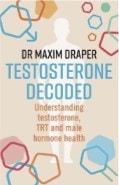 Testosterone Decoded: Understanding testosterone, TRT and male hormone health by Dr Maxim Draper is available on paperback RRP:£18.99

- How low testosterone almost broke me - 16th January 2026