‘The increasing frequency of heatwaves, alongside droughts, wildfires and hosepipe bans, shows how important it is that we do more to protect those most at risk as climate change continues to bring more extreme weather.’
Caroline Abrahams, Age UK’s Charity Director, said: “With temperatures continuing to soar and much of the country under an Amber Heat-Health Alert, which in itself is a warning of likely impacts on people’s health and wellbeing, this is a stark reminder that older people and others most vulnerable to extreme heat need to take extra care over the coming days. It’s also a time for all of us to look out for our older friends and loved ones.
“As we get older, our bodies find it harder to adapt to extremes of heat and cold, particularly if someone has underlying conditions affecting their lungs, heart or kidneys. Even younger and otherwise healthy people can feel the effects of very hot weather, but with temperatures forecast to reach up to 36°C in some areas, the risks can be much greater for older people.
“With another period of very hot weather on the way, we’re urging people to check in on older neighbours, friends and relatives to see if they need any support.”
“It may sound obvious, but when temperatures are exceptionally high, simple precautions can make a real difference. Staying out of direct sunlight, drinking plenty of water to stay hydrated, and planning activities such as walking, shopping or gardening for the early morning or later evening can all help older people stay safe and well.
“Most homes in the UK are not designed to cope with extreme heat, so it is important to do what we can to keep cool air in and hot air out. Keeping curtains and windows closed during the hottest part of the day, then opening windows overnight when temperatures fall, can help keep homes cooler.
“The increasing frequency of heatwaves, alongside droughts, wildfires and hosepipe bans, shows how important it is that we do more to protect those most at risk as climate change continues to bring more extreme weather. With another period of very hot weather on the way, we’re urging people to check in on older neighbours, friends and relatives to see if they need any support. Offering to pick up shopping or medication, helping them keep cool, or even lending a fan can make a real difference.”
Age UK’s Top Tips to help keep cool in a hot weather
Age UK offers a range of free information and advice designed to help older people live well during the summer months and protect themselves when the temperature soars.
Here are the Charity’s top tips for staying cool and well in the warmer weather:
- If you have neighbours or relatives who live alone and who are living with frailty or coping with health issues visit or phone to check that they are ok. Especially if they are at higher risk of becoming unwell in extreme temperatures, and if you are at higher risk, ask them to do the same for you.
- Stay inside during the hottest time of the day. If you do go out use sunscreen of factor 30 or above, wear a hat and keep in the shade if possible.
- When inside, try to keep your house cool. Keep curtains and blinds closed in rooms that catch the sun and shut windows during the day to keep hot air out and cool air in. Open windows in the evening when the temperature has gone down. Identify the coolest room in the house so you know where to go to keep cool.
- Have cool baths or showers and splash yourself with cool water. Sprinkling clothes with water regularly, splashing cool water on the face and a damp cloth on the back of the neck helps temperature regulation.
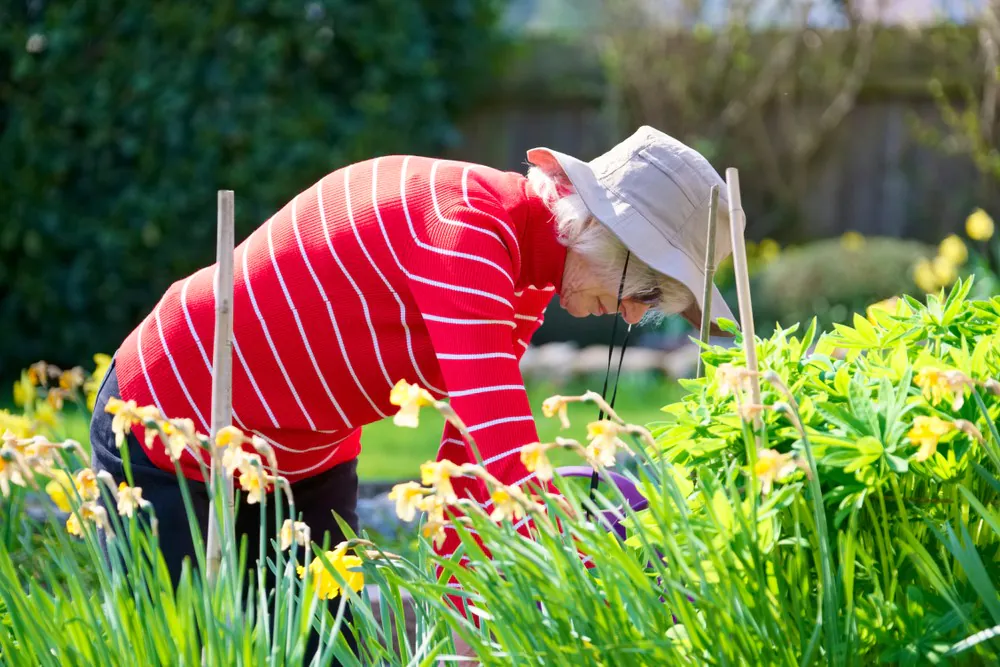
- Change the timings of activities – If you have a routine walk or some physical activities that you like to take, make sure you do this at a different time of the day when it is cooler such as in the early morning or evening. Also limit or avoid strenuous activities like housework and gardening.
- Stay hydrated – it’s important when it’s hot to increase our water intake. So, continue to drink water throughout the day even if you aren’t thirsty. Limit drinks with alcohol as these can increase the risk of dehydration.
- Eat normally but try to have more cold foods, particularly salads and fruits as they contain a lot of water.
- Choose the right clothes, it may sound obvious, but light-coloured, loose cotton clothing can help you stay cool in the heat. Dark colours absorb the light and can make you feel even warmer.
- Check for weather forecasts and temperature warnings on TV, radio and online at the Met Office.
- Know the symptoms of heat exhaustion and heatstroke and what to do if you or someone else has them.
People looking for advice can call Age UK’s free Advice Line, 365 days a year from 8am – 7pm on 0800 169 6565, or visit Age UK.

- Oranges And Lemons (1956) - September 18, 2026
- Chronic stress may trigger heart damage - September 18, 2026
- New nurses wear their Winchester badges with pride - September 18, 2026