The rise of ‘Endorphin Eating’ and the everyday foods that could help lift your mood.
From ‘dopamine dressing’ to ‘hot girl walks’, the past few years have seen a surge in shareable wellness habits promising a quick lift. Now, that same idea is also making its way onto our plates, with social feeds championing endorphin eating: choosing foods not just for nourishment, but for how you hope they’ll make you feel.
It’s an instantly appealing idea. But behind the buzzwords sits an important question: can what we eat genuinely influence how we feel?
Dietitian Dr Carrie Ruxton, who has teamed up with Scotland’s flagship red meat brands at Make it Scotch to explore the trend, says: “It’s worth separating the catchy language from the science.
“Endorphins are difficult to measure reliably in nutrition research, which makes the concept more of a wellness trend than a defined scientific framework. That said, the underlying idea isn’t entirely wrong. Food does have a meaningful impact on mood, just not usually in the instant, single ingredient way social media suggests.”
Food choices play a real role in how we feel day to day, influencing energy levels, sleep quality and general resilience. But the most consistent benefits come from dietary patterns over time, rather than quick fixes.
“While no single food can guarantee happiness, there are certain foods and nutrients that research suggests may support aspects of positive mood and wellbeing,” Ruxton says, including:
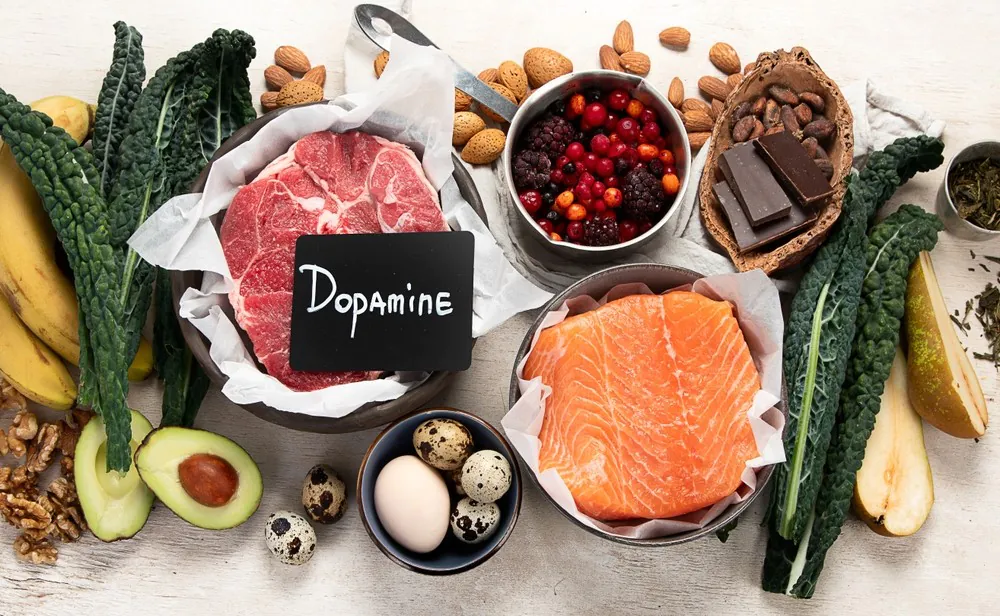
- Dark chocolate with high cocoa content: If you’re looking for a treat that offers more than just great taste, dark chocolate is often highlighted as a strong contender. Some short-term studies suggest it may help reduce cortisol (the body’s main stress hormone), which could be linked to a greater sense of calm.
- High quality red meat: High quality red meat like Scotch Lamb, Scotch Beef and Specially Selected Pork are a satisfying source of protein and provide key micronutrients like iron (for normal cognitive function), vitamin B12 (to help reduce tiredness and fatigue), and pantothenic acid (for normal mental performance). In other words, supporting the energy and focus basics that help you feel more like yourself day to day.
- Carbohydrate-rich meals: Research shows that meals high in carbohydrates can improve mood and reduce irritability short term. This may be because carbs help the brain use tryptophan, which is involved in producing serotonin (a chemical linked to feeling good and the stability of your mood). However, this effect works best when carbs are eaten as part of a balanced meal which include vegetables and protein. Using carbs alone as a quick mood fix isn’t very effective in the long run.
- Tea: Black tea isn’t just a cosy habit. Some studies suggest it may help the body manage stress more effectively by slightly lowering cortisol and improving blood flow to the brain.
- Omega-3 fatty acids: Unlike ‘quick fix’ foods, omega-3 benefits show up over weeks to months, with strong evidence for improved mood stability and reductions in anxiety and stress symptoms.
These foods can help support how we feel day to day, but they are not a magic fix on their own and should always form part of a varied, nutrient-dense, and balanced diet.
On the flip side, highly processed snacks that are also high in sugar and calories might feel great in the moment, but evidence generally links them to a later crash in mood or energy, sometimes made worse by guilt and disrupted appetite cues.
With that in mind, Dr Ruxton’s top tips for endorphin eating in practice are about keeping things simple, balanced and sustainable:
- Start with the plate, not the craving: Build meals around lean protein, veg, and fibre rich carbs for steadier energy and mood.
- Keep portions sensible: Nutrient-dense foods still need balance, so aim for regular, moderate eating.
- Make it easy to repeat: Choose simple meals that naturally balance key nutrients (protein, vegetables, and fibre). If you’re cooking with red meat, Make it Scotch offers a range of easy, nutritious recipe ideas utilising Scotch Beef, Scotch Lamb, and Specially Selected Pork to suit all budgets and occasions.
- Treats can still have a place: If chocolate or a favourite snack gives you a little lift, enjoy it; but keep it alongside the foundations, not as the main coping strategy.
- Think long terms habits: Don’t rely on short term food ‘hits’. Mood support is most consistent when built from long term habits and improvements to overall diet quality, regular fruit and veg intake and nutrients like omega-3s.
Whatever the latest trend is called, the foundations always remain the same. By focusing on balanced, nutrient-rich meals, endorphin eating can be a practical and enjoyable way to help support mood, energy and overall everyday wellbeing.

- Can eating really make you happy? - May 15, 2026
- Folic acid in white flour? - February 28, 2017